
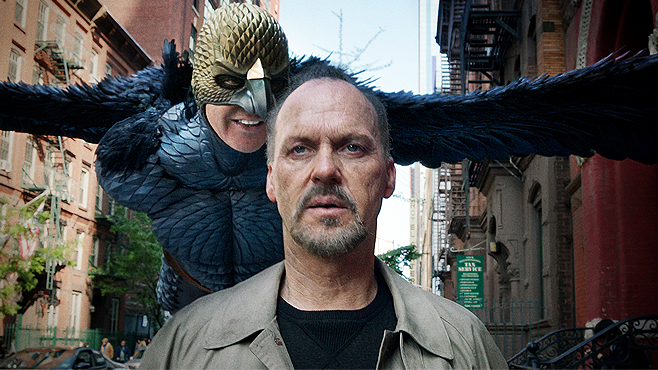
“Birdman,” a film by Alejandro Gonzalez Inarritu, just won the Best Picture Academy Award and also may have been the best film about schizophrenia since “A Beautiful Mind.” People seem to ignore the film’s tale about a veteran actor reliving his past and struggling to cope with his alternative (and more respected) alter ego primarily because the film plays as a comedy. But despite its amazing cinematic accomplishments (single-shots and stylish visuals), “Birdman” remains a very accurate portrayal of schizophrenia.
During the heyday of psychoanalysis in the 1940s and 50s, nobody used the diagnosis of schizophrenia more often than Americans. This diagnosis eventually developed over the 60s and 70s to be more specific and aligned to the cultural atmosphere (Vietnam War, counter-culture, etc.). But despite these changes schizophrenia is the essential psychiatric diagnosis because of its clear cut symptoms that are undisputed. Hallucinations, apathy, and disorganized speech (the hallmark symptoms of Schizophrenia) are obvious even to children.
Riggan, the main character of “Birdman” portrayed by Michael Keaton, constantly battles an internal dialogue between himself and his alter-ego Birdman. This internal conflict might be confused for multiple personality disorder, except for the false hallucinations of grandeur. Especially in the climax, Riggan believes he, not Birdman, can fly through NYC like a superhero.
In a recent interview, director Inarritu compared Riggan to the jellyfish in the first scene of the film. “This guy is a jellyfish,” said Inarritu. “One hour he feels like a comet on fire then in the next 30 mins he is a dead jellyfish.” This apathy and hallucination of grandeur make Riggan a poster-child for Schizophrenia. It’s a wonderful description by Inarritu and acted out by Keaton.
 the doctor pete